Glenwood, IA · Mills County
AC Unit Water Removal in Glenwood, IAEmergency AC Water Removal & AC Condensate Drain Clearing
AC Unit Water Removal in Glenwood runs from emergency AC water removal and AC leak water cleanup to air conditioner restoration services.
Answered 24/7
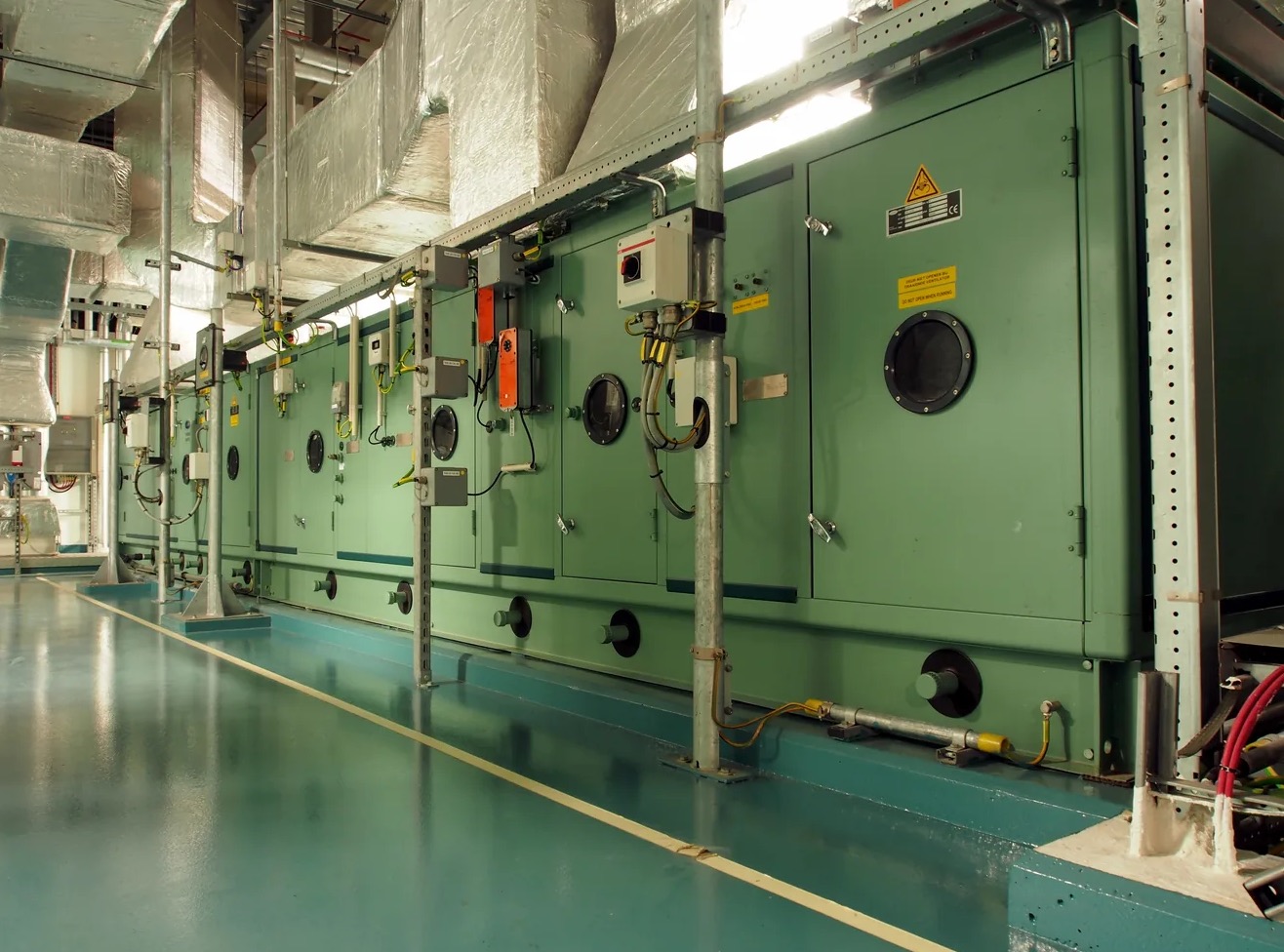
Expert AC Unit Water Removal for Glenwood Homes
An air conditioner pulls gallons of water out of the air on a hot day. When the drain line clogs or the pan cracks, that water lands on ceilings, walls and floors in Glenwood homes instead of draining outside.
In Glenwood, AC leaks usually show up as ceiling stains under attic units, wet carpet near the furnace closet or water dripping from a vent. Help with AC unit water removal is available across Glenwood and in Plattsmouth, Malvern and Bellevue, day or night, with extraction, drain clearing and drying.
Comprehensive AC Unit Water Removal Solutions in Glenwood
Emergency AC Water Removal
Fast extraction limits how far the water travels into framing and insulation, and lets drying equipment go in sooner.
AC Condensate Drain Clearing
A clogged condensate line is the most common reason an AC unit leaks. The pros flush out algae and sludge so condensate drains away again.
AC Drain Pan Water Extraction
A soaked pan in an attic unit is a ceiling leak waiting to happen. Extracting it quickly protects the drywall underneath.
Air Conditioner Restoration Services
Work finishes with cleanup and a check that the unit drains properly, so the leak does not return.
AC Leak Water Extraction
Water is removed from every wet surface the leak reached, including closets and rooms below an attic air handler.
Warning Signs You Need AC Unit Water Removal
Water Stains on Walls
Brown rings or peeling paint on the ceiling under an attic unit, or on walls near the closet, point to a slow leak.
Musty Odors From Vents
A musty smell when the AC starts often means standing water in the pan or wet insulation in the ducts.
Water on the Floor
A puddle around the air handler or furnace closet is the most direct sign of a leak.
Reduced Cooling Efficiency
A clogged drain can trip a float switch or starve the coil of airflow, so the system runs longer and cools less.
How AC Unit Water Removal Works in Glenwood
Step 1: AC Leak Water Cleanup
Pooled water is removed from around the air handler and from any rooms or ceilings the leak reached.
Step 2: AC Drain Pan Water Extraction
The primary and secondary pans are emptied and checked for cracks, rust holes or a stuck float switch.
Step 3: Component and Structure Drying
Wet panels, framing and subfloor are dried with targeted airflow and dehumidifiers until readings are normal.
Step 4: Documentation and Prevention
Photos and readings are recorded for insurance, and simple drain upkeep tips are shared to prevent a repeat.
Common Causes of AC Unit Water Damage in Glenwood
Disconnected Drain Line
A drain line knocked loose in the attic or closet empties condensate onto the ceiling or floor.
Excess Outdoor Humidity
Very humid air makes the coil produce more water than a partly clogged drain can carry.
Damaged AC Drain Pan
Metal pans rust through and plastic pans crack with age, letting water drip straight through.
Dirty Air Filters
A clogged filter cuts airflow, which can freeze the coil and cause overflow when it melts.
AC Unit Water Removal for Homes and Businesses in Glenwood
Residential AC Unit Water Removal
In a home, an AC leak usually hits a hallway ceiling, a closet floor or the carpet near the air handler. Water removal and drying start there, followed by drywall repair if needed.
Commercial AC Unit Water Removal
In offices and stores, a leaking rooftop or ceiling unit drips onto desks, stock and floors and creates slip hazards. Work can be scheduled around business hours where possible.
When to Hire Local Pros for AC Unit Water Removal in Glenwood
Box fans move air across a wet surface, but they often leave water trapped in wall cavities and under flooring. Professional drying uses moisture readings to confirm the hidden areas behind walls and under floors are dry too.
Understanding AC Unit Water Removal Pricing in Glenwood
Pricing for AC unit water removal in Glenwood is set after an inspection. The pros measure the wet area, check for hidden moisture and explain each item before starting.
Secondary Damage Presence
Wet ceilings, swollen baseboards or damp framing add removal and repair work to the job.
Documentation Needs
Detailed photos and moisture logs for an insurance claim add some time to the job.
Required Drying Time
Dense materials and enclosed spaces take longer to dry, which means more equipment days.
Does Insurance Cover AC Unit Water Removal?
Insurers often ask whether the leak was sudden or ongoing. A record of when the water was found, what it reached and how it was dried helps answer that question.
Reasons to Select Local Pros in Glenwood for AC Unit Water Removal
Systematic Drain Line Clearing
The condensate line is cleared, not just the water mopped up, so the leak does not come right back.
Industry Drying Standards
Drying follows industry water damage standards, with moisture readings at each visit.
24/7 Emergency Response
Help is available any hour, which matters when an attic unit starts leaking into a ceiling at night.
24/7 Emergency AC Unit Water Removal Response in Glenwood
Do not wait for a stained ceiling to start sagging under the weight of the water. Call (402) 704-4921 now for AC unit water removal in Glenwood and get the drying started.
Call Now (402) 704-4921AC Unit Water Removal Service Area Including Glenwood
Help with AC unit water removal is also available in communities near Glenwood, including Plattsmouth, Malvern and Bellevue, for leaking air handlers and overflowing drain pans.
- AC Unit Water Removal in Plattsmouth
- AC Unit Water Removal in Malvern
- AC Unit Water Removal in Bellevue
- AC Unit Water Removal in Tabor
- AC Unit Water Removal in Treynor
- AC Unit Water Removal in Council Bluffs
- AC Unit Water Removal in Papillion
- AC Unit Water Removal in Midtown
- Emergency Damage Restoration in 51534
- Storm Damage Restoration in 51534
- Water Damage Restoration in 51534
- Water Extraction Service in 51534
- Water Leak Detection in 51534
- Water Removal Service in 51534
AC Unit Water Removal FAQs
What does emergency AC water removal include?
Shutting off the unit, extracting standing water, clearing the drain and starting drying equipment, at any hour.
What are signs I need water removed from around my air conditioner?
Puddles near the unit, ceiling stains, a musty smell, a full drain pan or an AC that shuts off on its own.
What happens during AC water extraction?
Pumps and extractors remove water from the pan, floor and carpet, then moisture meters check walls and subfloor for hidden water.
What clogs an AC condensate line?
Algae, sludge, dust and debris build up inside the line, especially over long cooling seasons, until water backs up into the pan.
Can a wet AC unit be saved after a leak?
Often yes. Components are dried gently and checked, but an HVAC contractor should inspect electrical parts before the unit runs again.